Enhancing Business Security Through Video Surveillance
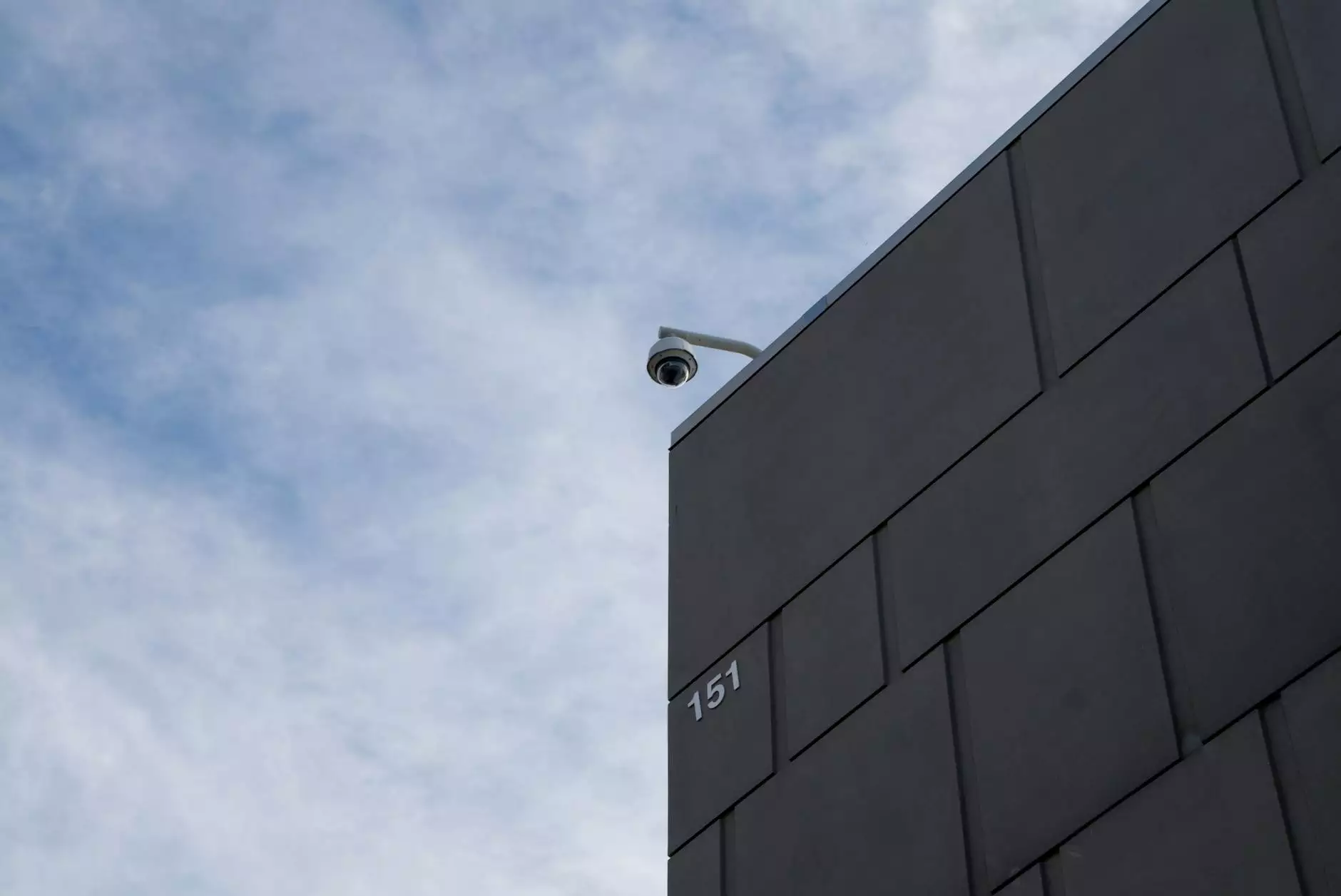
The modern business landscape necessitates top-notch security measures to protect assets, personnel, and sensitive information. One of the most effective tools in a company’s security arsenal is security video surveillance. In this article, we will delve into the benefits, types, and implementation strategies of video surveillance, specifically tailored for businesses within the Telecommunications, IT Services & Computer Repair, and Internet Service Providers sectors.
The Importance of Security Video Surveillance
Video surveillance has evolved from simple monitoring systems to sophisticated solutions that incorporate advanced technology. Here are some reasons why security video surveillance is crucial for businesses:
- Deterrence of Crime: The presence of surveillance cameras can greatly deter criminal activities such as theft, vandalism, and unauthorized access.
- Enhanced Safety: Protecting employees and customers through surveillance increases overall safety and reduces risks.
- Improved Productivity: Knowing they are being watched can encourage employees to maintain high levels of productivity.
- Evidence Collection: In the event of an incident, recorded footage can serve as essential evidence for investigations.
- Remote Monitoring: Modern systems allow for remote access to camera feeds, facilitating real-time monitoring from anywhere.
Types of Security Video Surveillance Systems
Understanding the different types of security video surveillance systems can help businesses choose the right setup for their specific needs. The most common systems include:
1. Analog Video Surveillance
Analog systems are the traditional form of video surveillance that captures footage using analog cameras. While they are cost-effective, they often lack the clarity and features of modern digital systems.
2. IP Video Surveillance
IP (Internet Protocol) cameras have revolutionized the surveillance industry. They offer higher resolution, better image quality, and advanced features such as motion detection and remote access. This makes them ideal for businesses looking for comprehensive security solutions.
3. Cloud-Based Surveillance
Cloud-based systems allow businesses to store video footage off-site. This is beneficial for both data storage and security, as it protects footage from being compromised on-premises. It also offers ease of access, enabling remote viewing via mobile devices.
4. Wireless Surveillance Systems
Wireless cameras provide flexibility in installation and can easily be relocated. They are perfect for businesses that might change their layout frequently or are looking to avoid the complexities of wiring.
Choosing the Right Security Video Surveillance System for Your Business
Selecting the appropriate system for your business involves several considerations:
1. Assess Your Security Needs
Begin by evaluating the specific security challenges your business faces. Identify the areas that require monitoring, such as entrances, parking lots, and sensitive areas containing valuable equipment or data.
2. Determine Your Budget
Video surveillance can be a significant investment. It is essential to establish a clear budget that considers not only the initial costs but also ongoing maintenance, storage solutions, and potential upgrades.
3. Look for Advanced Features
Modern surveillance solutions come equipped with features such as:
- Motion Detection: Alerts you when movement is detected.
- Night Vision: Offers clear footage in low-light conditions.
- Pan, Tilt, and Zoom (PTZ): Allows for flexible monitoring of a larger area.
- Two-way Audio: Facilitates communication via the camera.
- Integration with Other Security Systems: Ensures comprehensive security management.
Implementing Security Video Surveillance
Once you’ve chosen a system, implementation is key to maximizing its effectiveness:
1. Professional Installation
For optimal performance, it is advisable to have your security video surveillance system professionally installed. Experts can ensure all cameras are positioned correctly and configured to meet your business's requirements.
2. Regular Maintenance
Just like any other system, video surveillance requires ongoing upkeep. Schedule regular maintenance checks to ensure all cameras are functioning correctly, and software is up to date.
3. Training Staff
All staff should be trained on how to use the surveillance system effectively. This includes accessing video feeds, understanding alarm triggers, and knowing how to respond in case of an incident.
Legal and Ethical Considerations of Video Surveillance
As important as it is to monitor your business, there are legal and ethical implications to consider:
1. Privacy Regulations
Familiarize yourself with local laws regarding surveillance to ensure compliance. This includes informing employees and customers about the presence of surveillance cameras.
2. Transparency
Being transparent about your surveillance practices can build trust within your organization and with your clients. Clearly communicate why surveillance is used and what data is being collected.
Conclusion
In conclusion, security video surveillance is an indispensable tool for businesses, particularly in the telecommunications and IT industries. By implementing an effective video surveillance system, companies can enhance security, protect valuable assets, and provide a safer environment for employees and customers alike. At Teleco, we offer tailored solutions that meet the unique needs of your business. Whether you need comprehensive IT services or quality telecommunications, we are here to support you in securing your operations. Trust Teleco to be your partner in business security, and stay safe while you thrive and grow.