Understanding Thrombosed Varicose Veins and Their Treatment
Thrombosed varicose veins are a common yet serious condition that affects many individuals across the globe. Characterized by blood clots forming in the large surface veins, these veins often swell and can cause significant discomfort and pain. Early detection and appropriate treatment are essential for managing symptoms and reducing complications. In this article, we will delve deep into the intricacies of thrombosed varicose veins, their causes, signs, and the various effective treatment options available.
What Are Thrombosed Varicose Veins?
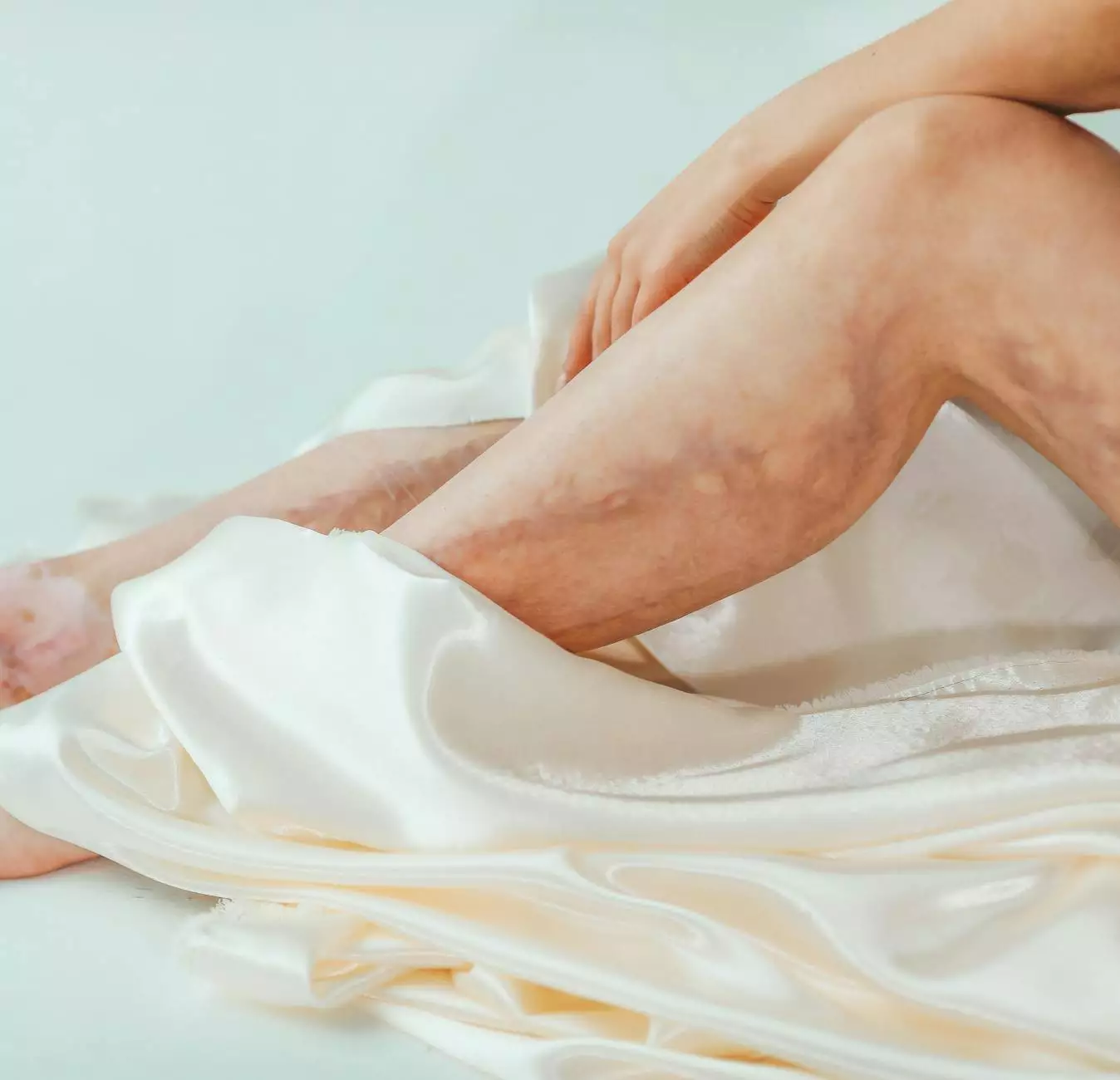
Thrombosed varicose veins are enlarged, twisted veins located near the surface of the skin that have developed a blood clot (thrombosis). This condition can occur in any of the veins throughout the body, but it is most commonly seen in the legs. Over time, the pressure in the veins can increase, causing the veins to bulge and twist. When a thrombus forms, it can lead to inflammation, pain, and further complications if left untreated.
Causes of Thrombosed Varicose Veins
Understanding the causes of thrombosed varicose veins is crucial for prevention. Several factors contribute to the development of this condition:
- Obesity: Excess body weight can put additional pressure on the veins in the lower extremities.
- Age: As individuals age, veins can lose elasticity, making them more prone to becoming varicose.
- Prolonged Sitting or Standing: Occupations that require long periods of sitting or standing can contribute to poor circulation.
- Genetics: A family history of varicose veins increases the likelihood of developing this condition.
- Hormonal Changes: Hormonal fluctuations during pregnancy, menopause, or from contraceptive use can weaken vein walls.
- Trauma: Injury to the veins or surrounding structures can lead to the formation of blood clots.
Symptoms of Thrombosed Varicose Veins
Identifying the symptoms of thrombosed varicose veins early can make a significant difference in treatment outcomes. Common symptoms include:
- Pain: Affected individuals may experience a throbbing or aching sensation in the affected area.
- Swelling: The area around the thrombosed vein may become swollen or inflamed.
- Skin Changes: Skin may appear discolored, and areas around the vein may feel warm to the touch.
- Ulcers: Chronic cases can lead to painful ulcers on the skin.
- Itching: Some individuals may experience itching or discomfort surrounding the affected vein.
Diagnosing Thrombosed Varicose Veins
Diagnosis of thrombosed varicose veins usually involves a combination of physical examination and imaging studies.
Physical Examination
A healthcare provider will typically start with a thorough physical exam, reviewing medical history and symptoms. They will check for signs of swelling, pain, and discoloration.
Ultrasound Imaging
An ultrasound is often employed to visualize blood flow in the veins and confirm the presence of thrombus. This non-invasive procedure is essential for assessing the extent of the condition and formulating an effective treatment plan.
Treatment Options for Thrombosed Varicose Veins
Effective management of thrombosed varicose veins can vary based on severity and patient needs. Here are the primary treatment options:
Home Remedies and Lifestyle Changes
For mild cases, physicians often recommend a combination of lifestyle adjustments:
- Weight Management: Achieving a healthy weight can alleviate some pressure on the veins.
- Regular Exercise: Engaging in physical activity promotes circulation and vein health.
- Elevation: Elevating the legs can help reduce swelling and improve blood flow.
- Avoiding Prolonged Sitting or Standing: Frequent movement can mitigate blood pooling in the legs.
Compression Therapy
Compression stockings are commonly prescribed to help decrease swelling and improve blood flow, especially for those who experience discomfort during daily activities.
Medications
In certain cases, anti-inflammatory medications or pain relievers may be recommended to manage symptoms effectively.
Medical Procedures for Severe Cases
For more advanced cases of thrombosed varicose veins, additional medical interventions may be necessary:
- Endovenous Laser Treatment (EVLT): This minimally invasive procedure uses laser energy to close off the affected vein.
- Radiofrequency Ablation (RFA): Similar to EVLT, RFA utilizes heat to destroy varicose veins.
- Sclerotherapy: This technique involves injecting a sclerosant solution into the vein, causing it to collapse and fade.
- Surgical Removal: In severe instances, surgical interventions to remove the affected veins may be necessary.
Preventing Thrombosed Varicose Veins
While not all cases of thrombosed varicose veins can be prevented, several strategies can reduce the risk:
- Staying Active: Regular physical activity is key to maintaining healthy circulation.
- Avoiding High Heels: Wearing supportive footwear can aid in keeping blood flowing properly.
- Hydration: Staying well-hydrated can also contribute to better vein health.
- Nutrition: A balanced diet rich in vitamins C and E can promote vascular health.
Living with Thrombosed Varicose Veins
Living with thrombosed varicose veins can be challenging, but effective management strategies and support can significantly enhance quality of life. Patients are encouraged to maintain open communication with their healthcare providers to address any concerns and adapt treatment plans as necessary.
Support Networks
Joining support groups or engaging with others who are experiencing similar issues can be beneficial. Education and shared experiences often lead to valuable coping strategies.
Monitoring Symptoms
Individuals with a history of varicose veins should closely monitor any changes in symptoms and seek medical advice promptly should issues arise.
Conclusion
Thrombosed varicose veins are a prevalent medical condition that requires informed management. With the right strategies and interventions, individuals can lead a healthy lifestyle despite the challenges posed by this condition. Partnering with specialists, such as those at Truffles Vein Specialists, ensures access to state-of-the-art treatment and comprehensive care. Taking proactive steps and understanding the options available can pave the way for a more comfortable, healthier future.