Understanding Engine Parts: The Vital Role of Piston Components
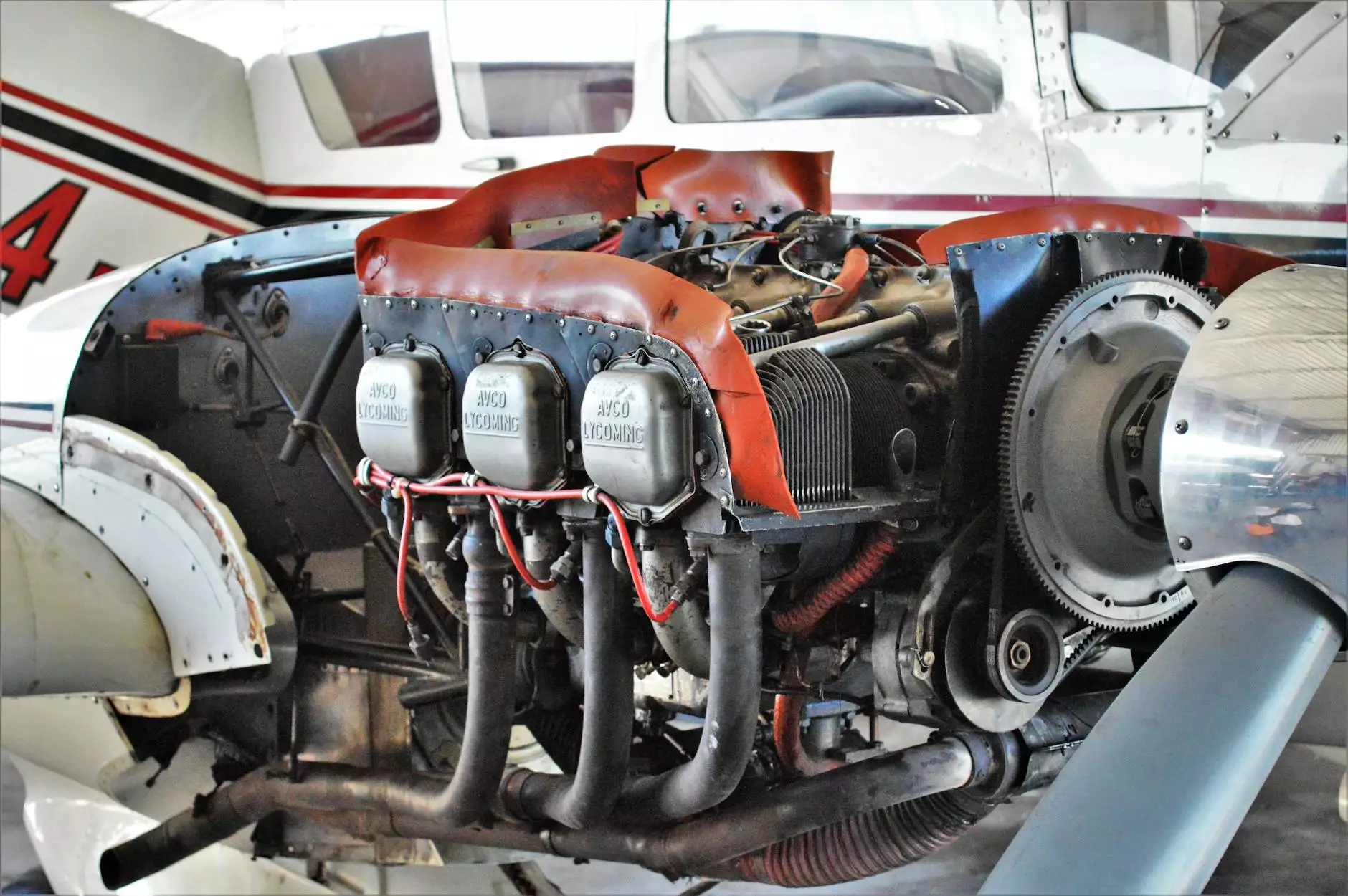
The engine parts piston plays a crucial role in the operation of diesel engines, contributing to overall performance, efficiency, and longevity. As one of the primary components responsible for converting fuel energy into mechanical energy, the piston must be understood in depth. In this article, we will explore the multiple facets of engine pistons, including their construction, functionality, types, and the impact they have on engine performance.
What is an Engine Piston?
A piston is a cylindrical component that sits within the engine cylinder and moves up and down under the influence of combustive power. Its primary job is to transfer force from expanding gas in the cylinder to the crankshaft via the connecting rod. This mechanism is pivotal for the engine’s operation and directly influences its efficiency.
The Anatomy of a Piston
The construction of a piston is intricately designed to ensure durability and efficiency. Here are the key components:
- Skirt: The lower portion that maintains alignment with the cylinder wall.
- Crown: The top surface that comes into contact with combustion gases.
- Piston Rings: Sealing components that prevent gas leakage from the combustion chamber.
- Piston Pin: A cylindrical rod that connects the piston to the connecting rod.
How Do Engine Pistons Function?
Understanding how engine parts piston work is essential for recognizing their importance in diesel engines. The operation can be broken down into several phases:
1. Intake Stroke
During the intake stroke, the piston moves down the cylinder as the intake valve opens, allowing air (and in diesel engines, fuel) to enter the combustion chamber.
2. Compression Stroke
Once the piston reaches the bottom of its travel, it reverses direction and moves upward, compressing the air-fuel mixture. This compression is vital for creating the conditions necessary for efficient combustion.
3. Power Stroke
As the piston reaches the top of the compression stroke, the fuel is injected, and combustion occurs. The explosion forces the piston back down, generating power.
4. Exhaust Stroke
The final phase occurs when the piston moves back up, pushing out the exhaust gases through the open exhaust valve, completing the cycle.
Types of Engine Pistons
There are various types of engine pistons, each designed for specific applications and performance criteria. In the context of diesel engines, the most notable types include:
1. Cast Aluminum Pistons
These are the most common type due to their lightweight nature and excellent thermal conductivity. Cast aluminum pistons are ideal for standard diesel applications.
2. Forged Pistons
Forged pistons are made from a solid piece of metal that is shaped under extreme pressure. They are more durable and can handle higher stress, making them suitable for performance engines.
3. Hypereutectic Pistons
These pistons contain more silicon than standard aluminum pistons, improving wear resistance and reducing thermal expansion. They are perfect for performance applications where heat is a critical factor.
The Importance of Quality in Engine Parts Piston
When it comes to engine parts piston, quality cannot be compromised. High-quality pistons ensure better performance, greater durability, and improved engine efficiency. Investing in OEM or high-grade aftermarket pistons can prevent numerous issues associated with low-quality parts, such as:
- Increased Wear: Poorly manufactured pistons can lead to premature wear of the engine components.
- Heat Management Issues: Ineffective heat dissipation can cause overheating and engine failure.
- Increased Emissions: A sub-standard piston may lead to incomplete combustion and higher emissions.
Performance Considerations for Engine Parts Piston
Optimizing engine performance often involves considering the piston's design, weight, and material composition. Here are several performance considerations:
1. Weight Reduction
Lighter pistons can improve throttle response and reduce the overall load on the crankshaft, enhancing performance, especially in racing applications.
2. Coating Technologies
Advanced coatings can reduce friction and improve wear resistance, leading to better engine longevity and performance.
3. Design Features
Different crown designs can improve combustion efficiency and reduce emissions. Some designs promote better airflow and quicker combustion accents.
Maintenance Tips for Engine Pistons
To ensure the longevity and functionality of the engine parts piston, proper maintenance is essential. Here are some useful tips:
- Regular Oil Changes: Keeping the engine oil clean and at the right level helps maintain proper lubrication, reducing wear on pistons and cylinder walls.
- Monitor Engine Temperature: Overheating can lead to serious piston damage. Always keep an eye on temperature gauges and address any anomalies immediately.
- Inspect for Wear: Regularly check for ring wear and piston integrity during maintenance to catch issues before they lead to engine failure.
The Role of Spare Parts Suppliers in Diesel Engines
When looking for engine parts piston, choosing the right spare parts supplier is crucial for obtaining quality components. Reliable suppliers, such as those found at client-diesel.com, ensure that you are getting authentic, high-quality parts that will contribute to your engine’s performance and longevity. Here’s why selecting a reputable supplier matters:
1. Authenticity
Reputable suppliers offer genuine OEM parts, guaranteeing compatibility and reliability.
2. Expertise
Established suppliers often have knowledgeable staff who can provide insights and recommendations tailored to your specific engine needs.
3. Warranty and Support
Quality suppliers offer warranties on their products, providing peace of mind and support should any issues arise.
Conclusion
In summary, the engine parts piston is a fundamental component of diesel engines that heavily influences performance, efficiency, and reliability. Understanding its functions, types, and maintenance needs is essential for anyone involved in diesel engine operations or repairs. By prioritizing quality parts from trustworthy suppliers like client-diesel.com, you can ensure that your engine remains in optimal condition, providing the reliability and power expected from a well-maintained diesel engine.
As we continuously strive for better performance in diesel engines, recognizing the importance of each component, particularly the engine pistons, will help us appreciate the complexity and engineering excellence behind these powerful machines.