The Importance of Hiring a Private Building Inspector
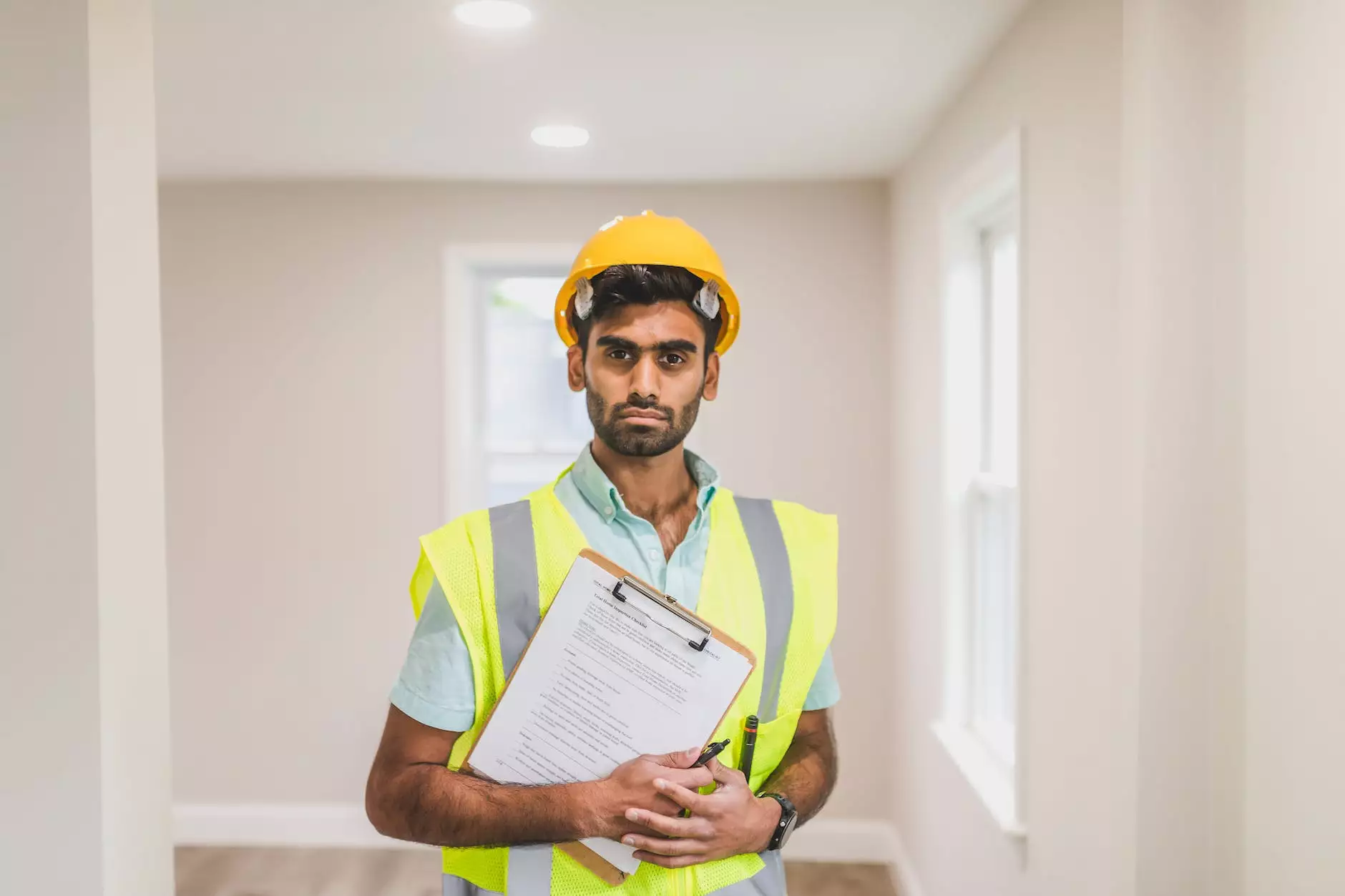
In the rapidly evolving world of construction and renovation, the role of a private building inspector has never been more crucial. Whether you’re planning to build your dream home, undertake a major renovation, or simply need to make sure your property is safe and compliant, hiring an expert in building inspections can save you time, money, and potential headaches down the line.
What is a Private Building Inspector?
A private building inspector is a qualified professional who assesses buildings for compliance with local and national building codes. This expert provides an unbiased evaluation of a property's construction quality, safety, and adherence to legal requirements. Private building inspectors are essential to ensure that your construction projects meet the required standards and that your investment is protected.
Why You Need a Private Building Inspector
Choosing to engage a private building inspector offers numerous benefits, including:
- Expert Knowledge: Private building inspectors are well-versed in building regulations and can identify potential issues that may not be visible to the untrained eye.
- Improved Safety: Ensuring that your home or commercial property is built or renovated to standard significantly reduces the risk of accidents and injuries.
- Financial Savings: By identifying problems at the outset, you can avoid costly repairs and rework in the future.
- Increased Peace of Mind: Knowing that a qualified inspector has evaluated your building can provide peace of mind for homebuyers and investors.
The Process of Hiring a Private Building Inspector
Hiring a private building inspector is a straightforward process, but it requires some diligence on your part. Here’s how to navigate it:
1. Research and Recommendations
Start by researching local inspectors. Look for reviews and testimonials from previous clients. You can also ask friends, family, or colleagues for recommendations. Websites like Total Building Control can also help connect you with qualified professionals.
2. Verify Credentials
Ensure that the inspector you are considering is licensed, insured, and possesses the necessary qualifications to conduct inspections in your area. This information is typically available on their website or can be requested directly from them.
3. Discuss Your Needs
Communicate your specific needs to the inspector. Are you renovating a property, buying a new home, or building from scratch? Each scenario may require a different focus in the inspection process, so it’s essential to be clear about your expectations.
4. Get a Detailed Quote
Before committing, request a comprehensive quote that outlines the scope of the inspection, the timeline, and the cost. A reputable private building inspector will provide clarity on what you can expect.
5. Review the Inspection Report
Once the inspection is complete, you’ll receive a detailed report outlining the findings. Read this carefully and don’t hesitate to ask questions. A good inspector will be happy to explain any concerns and suggest possible solutions.
The Key Benefits of Private Building Inspections
Engaging a private building inspector is not just a formality; it offers tangible advantages that can benefit all stakeholders in a property-related transaction.
Regulatory Compliance
With the ever-growing complexity of building regulations, it's vital that your project is compliant. A seasoned inspector will help ensure that all aspects of your construction or renovation adhere to local laws, avoiding future legal complications.
Quality Assurance
Private building inspectors often have extensive industry experience, enabling them to spot potential quality issues that may indicate poor workmanship. Their trained eye can save you from future problems by addressing them before construction progresses too far.
Dispute Resolution
In the unfortunate event of a dispute regarding construction quality or compliance, having an inspection report from a credible private building inspector can serve as a valuable asset. This document can provide evidence supporting your case, whether it’s during negotiations or potential legal proceedings.
Understanding Building Codes and Regulations
The foundation of any successful construction project lies in adherence to building codes and regulations. These codes are established to ensure the safety and habitability of buildings. Here is a breakdown of why knowing these regulations is crucial:
- Safety Standards: Building codes set minimum safety requirements. They ensure the structural integrity of buildings, which is essential for protecting occupants.
- Environmental Considerations: Many building codes incorporate environmental regulations that promote sustainable practices and energy efficiency.
- Insurance and Liability: Non-compliance can lead to severe insurance issues and liability claims should an accident occur due to negligence.
Common Issues Identified by Private Building Inspectors
Private building inspectors are trained to detect a wide range of issues. Understanding what these common concerns are can help you be proactive in addressing them:
- Structural Problems: This includes issues with foundations, walls, and framing that could jeopardize the building's stability.
- Electrical Issues: Insufficient or improperly installed electrical systems can pose serious fire hazards.
- Plumbing Deficiencies: Leaks, poor water pressure, and improper installations are often flagged during inspections.
- Moisture and Mold: A good inspector will identify signs of moisture problems and mold growth that can affect air quality and health.
- Roofing Concerns: Issues with roofing materials or installation can lead to significant leaks and damage to the building's interior.
How Often Should You Hire a Private Building Inspector?
While a private building inspector is typically brought on during the purchase or major renovation phases, regular inspections can be beneficial for maintaining the property.
- Before Buying Property: Always have an inspection done before purchasing a property to uncover potential issues.
- Before Major Renovations: An inspection can help you identify what areas need attention prior to starting work.
- Routine Maintenance: Consider annual inspections for older properties to proactively address wear and tear.
Conclusion: The Need for Expertise in Construction
In the competitive landscape of the construction industry, having a private building inspector on your side is a wise investment. The value they bring in terms of expertise, compliance, and quality assurance is unmatched. By prioritizing safety and compliance, you not only protect your investment but also provide a safe environment for everyone who will step into your building. Whether you are a contractor, homeowner, or real estate investor, enlisting the services of a private building inspector can save you from potential pitfalls and strengthen your project's foundation.
For all your building inspection needs, partner with Total Building Control. Our team of qualified professionals is dedicated to ensuring your constructions meet the highest standards of quality and safety.