Comprehensive Guide to Manometers: Essential Tools for Measurement Across Industries
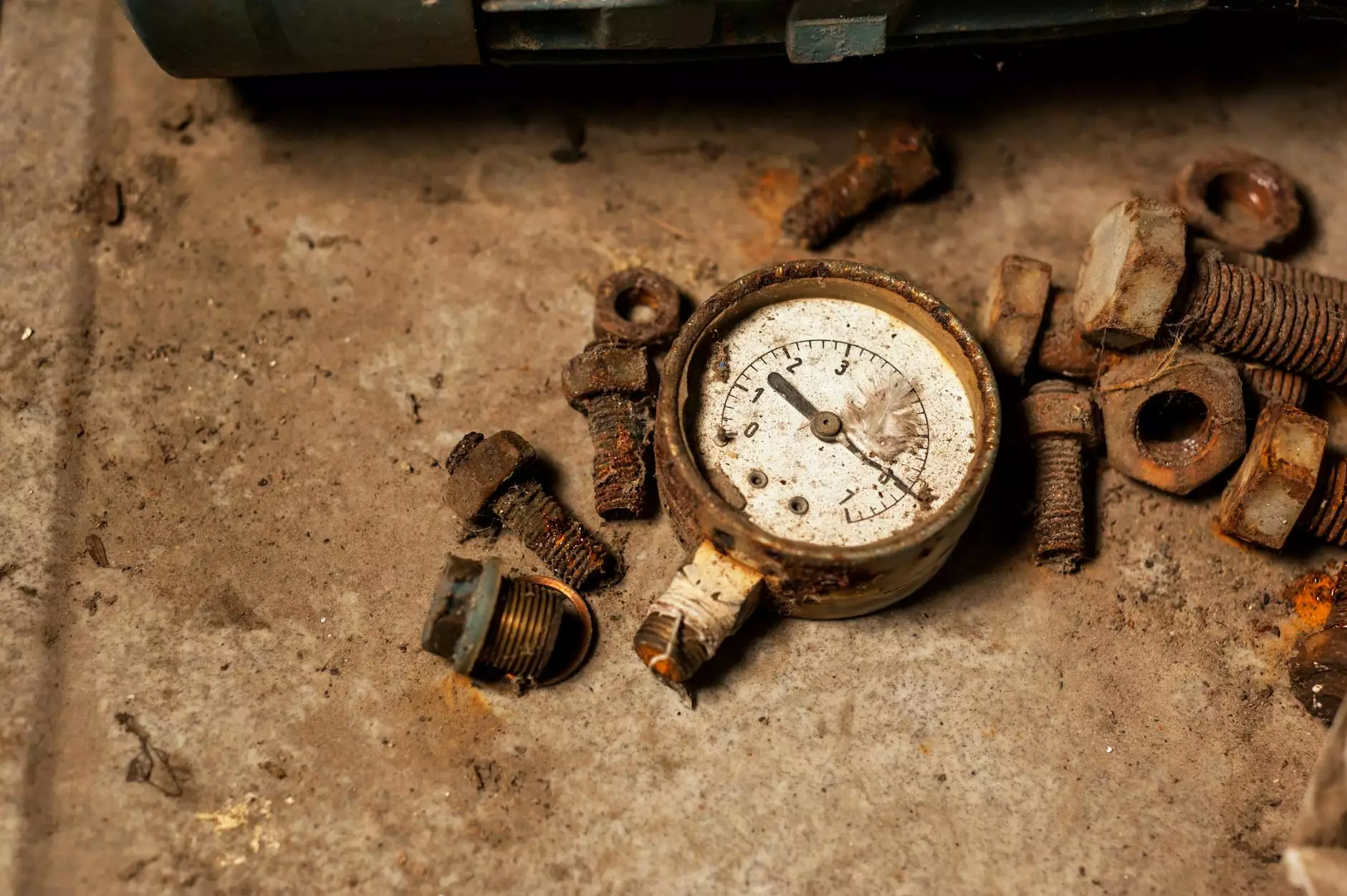
In the realm of scientific, industrial, and technical applications, the manometer stands as a crucial device for accurate pressure measurement. This indispensable instrument, derived from Latin roots, embodies the pursuit of precision and safety in various sectors, including Home & Garden, Contractors, and Fire Departments. Understanding the manometer in detail, from its history to its diverse applications, accelerates the ability to select and utilize the correct device for specific needs. This comprehensive guide aims to elevate your knowledge about this vital instrument.
The Origin and Etymology of Manometer: A Name Rooted in Latin
The term manometer originates from Latin, combining two core components: manus, meaning "hand", and -meter, meaning "measure". This etymology reflects the device’s fundamental purpose: to measure pressure by using the human hand as a manual reference or as part of early measurement techniques. The Latin roots emphasize the tool’s long-standing history in scientific inquiry and its evolution towards modern automation.
Understanding the Science Behind Manometers
A manometer is a device designed to measure the pressure of gases or liquids within a contained system. Pressure is a critical parameter in various fields — from ensuring the safety of firefighting equipment to calibrating HVAC systems or monitoring industrial processes. Accurate pressure measurements enable engineers, firefighters, and homeowners to maintain safety, optimize performance, and comply with regulations.
Types of Manometers: An In-Depth Overview
There are various types of manometers, each tailored for specific applications. Understanding their distinctions is keys to selecting the right device.
1. U-Tube Manometers
These traditional devices utilize a U-shaped tube filled with a liquid, typically mercury or water. When connected to a pressure source, the liquid level shifts in response to pressure differences, enabling measurement based on the displacement. They are highly accurate for low-pressure applications and are often used in laboratory settings.
2. Digital Manometers
Modern digital manometers incorporate electronic sensors and displays, offering precise, quick readings and data logging capabilities. They are widely used in HVAC, manufacturing, and safety inspections. Their portability and ease of use make them popular among professionals.
3. Differential Manometers
This category measures the difference in pressure between two points. They are essential in applications like ventilation system testing, boiler inspections, and safety compliance checks, where pressure differences can indicate potential issues.
4. Aneroid Manometers
Utilizing a flexible metal diaphragm instead of a liquid, aneroid manometers are compact and durable, suitable for portable applications, especially in field operations where portability and shock resistance are essential.
Key Components and How a Manometer Works
Essential parts of a manometer include the sensing element (liquid column, diaphragm, or electronic sensor), a scale for measurement, and a connection point to the pressure source. The device translates pressure differences into measurable metrics, either through the displacement of liquids or deformation of a sensing element, which are then read on graduated scales or digital displays.
Applications of Manometers in Various Industries
The manometer plays a significant role in different fields, assisting in safety, quality control, and operational efficiency.
1. Home & Garden
In residential settings, manometers are used in HVAC systems for checking refrigerant pressure, ensuring proper functioning of boilers, and testing gas lines. Home inspectors and maintenance technicians rely on these devices to detect leaks, prevent pressure-related failures, and optimize home comfort.
2. Contractors and Construction
Contractors utilize manometers to measure the pressure in drainage, ventilation, and compressed air systems. Proper pressure measurement ensures that installations comply with safety standards and operate efficiently, reducing costs and avoiding potential failures.
3. Fire Departments and Emergency Services
Firefighters depend on high-quality manometers to monitor the pressure in firefighting equipment, such as hose lines and pump systems. Accurate readings ensure that water and foam delivery systems operate at optimal pressures, which can be life-saving in emergency scenarios. For safety and operational efficacy, rugged and reliable manometers are indispensable in fire apparatus and firefighting gear.
Choosing the Right Manometer: Factors to Consider
When selecting a manometer, consider the following factors:
- Measurement Range: Ensure the device covers the expected pressure range.
- Accuracy: Determine the precision required for your application.
- Type of Pressure: Gauge relative pressure, absolute pressure, or differential pressure needed?
- Portability: Portable handheld devices versus fixed installation models.
- Environmental Conditions: Resistance to temperature, moisture, and shock for field use.
- Ease of Use: Digital displays, interface, and calibration features.
- Application Specifics: Compatibility with gases or liquids, safety standards, and industry regulations.
The Importance of Proper Manometer Calibration and Maintenance
To ensure ongoing accuracy, regular calibration of manometers is essential. Calibration involves comparing the device’s readings against known standards and adjusting accordingly. Proper maintenance includes cleaning, inspection for leaks or damage, and replacing worn parts. Reliable manometers guarantee safety and precision in critical applications, particularly in fire safety and industrial environments.
Innovative Trends and Future Developments in Manometers
The technology behind manometers continues to evolve with advancements such as minimally invasive sensors, wireless connectivity, and integration with smart systems. Future developments aim to enhance accuracy, reduce size, improve ease of use, and enable remote monitoring — a boon for industries requiring continuous pressure surveillance.
Why Tuzoltokeszulek Offers the Best in Manometers and Safety Equipment
At tuzoltokeszulek.com, we understand that safety and precision are paramount. Our extensive range of manometers is sourced from renowned manufacturers, designed for durability, accuracy, and user-friendliness. Whether you need a robust manometer for firefighting, contracting, or home maintenance, our products meet strict standards and industry certifications.
Summary: Why the Knowledge of Manometers Matters
In conclusion, the manometer is more than a simple measuring device; it is a vital component that ensures safety, efficiency, and reliability across multiple industries. From the early Latin origins to advanced digital sensors, its evolution reflects technological progress and an ongoing commitment to precision. Whether in the context of firefighting, home appliances, or industrial operations, understanding and properly utilizing manometers can make a significant difference in operational success and safety standards.
To learn more about the latest manometers and how they can benefit your specific application, visit our catalog at tuzoltokeszulek.com. Our team of experts is ready to assist you in selecting the appropriate equipment for your needs and ensuring that your safety and measurement standards are always top-notch.