Comprehensive Guide to Oncology Doctors and Their Critical Role in Modern Cancer Care
In today's rapidly advancing medical landscape, oncology doctors are at the forefront of transforming cancer diagnosis, treatment, and patient recovery. As specialists dedicated to understanding, diagnosing, and managing cancer, oncology physicians are pivotal in guiding patients through complex treatment protocols while harnessing cutting-edge medical innovations. This article provides an in-depth exploration of the vital functions performed by oncology doctors, their various specializations, innovative approaches in oncology, and why their expertise is imperative for effective cancer management.
Understanding the Role of an Oncology Doctor: A Pillar of Cancer Care
An oncology doctor is a medical specialist who focuses exclusively on the diagnosis, treatment, and management of cancerous conditions. Their work combines elements of medicine, surgery, radiology, and emerging therapies to provide compassionate, personalized care for patients battling various types of malignancies.
From early detection to post-treatment surveillance, oncology doctors play an indispensable role in every phase of cancer care. They work closely with multidisciplinary teams to optimize treatment strategies, utilizing the latest advances in pharmaceutical therapies, surgical techniques, and immunotherapies.
Specializations Within Oncology: Tailoring Cancer Treatment with Precision
While the term "oncology doctor" broadly encompasses many specialties, the field is highly diverse, reflecting the complexity of cancer itself. The main categories include:
- Medical Oncologists: Prescribe chemotherapy, targeted therapy, and immunotherapy
- Surgical Oncologists: Perform cancer-removal surgeries and biopsies
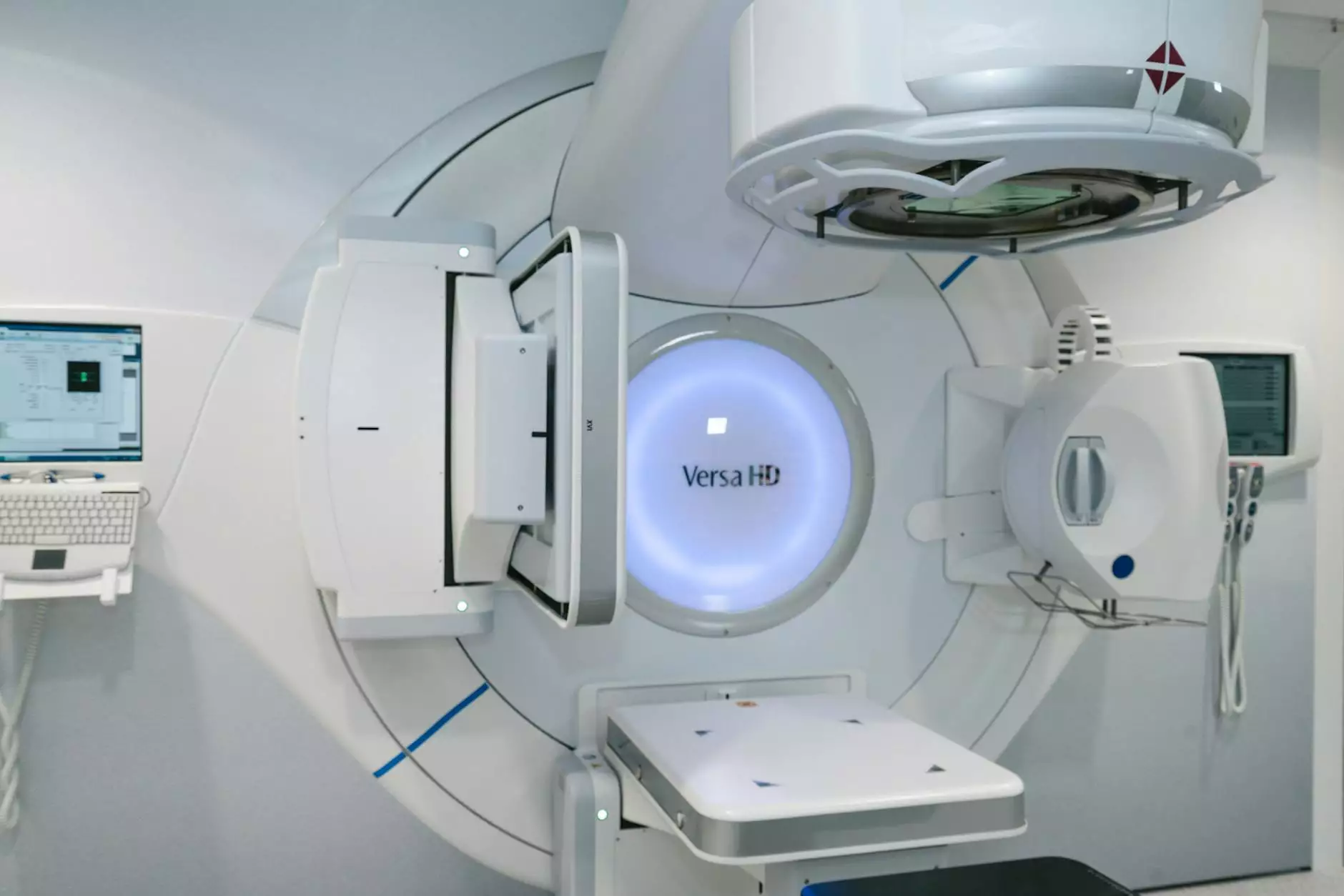
- Radiation Oncologists: Use radiation therapy to kill or shrink tumors
- Pediatric Oncologists: Specialize in childhood cancers
- Hematologist-Oncologists: Focus on blood cancers such as leukemia and lymphoma
- Oncologic Surgeons: Specialize further in minimally invasive and reconstructive surgeries post-tumor removal
Each of these specialists collaborates seamlessly to create integrated treatment plans, ensuring comprehensive and patient-centered cancer care.
The Cutting-Edge Technologies Used by Oncology Doctors
Modern oncological practice relies heavily on technological innovations. Expert oncology doctors utilize a variety of sophisticated tools and techniques to improve diagnostic accuracy and treatment efficacy:
- Imaging Technologies: PET scans, MRI, CT scans, and ultrasound enable precise tumor localization
- Genomic Sequencing: Identifies genetic mutations that drive cancer, facilitating personalized medicine
- Targeted Therapies: Drugs designed to target specific molecules involved in tumor growth
- Immunotherapy: Boosts the body's immune system to attack cancer cells
- Minimally Invasive Surgical Techniques: Laparoscopy and robotic-assisted surgeries reduce patient recovery time
- Artificial Intelligence: Enhances diagnostic precision and treatment planning
The Importance of Early Detection and Advanced Screening Protocols
One of the most significant contributions of oncology doctors involves implementing effective screening programs for early cancer detection. Early diagnosis dramatically increases survival rates and improves quality of life. Popular screening modalities include:
- Colonoscopy for colorectal cancer
- Mammography for breast cancer
- Papanicolaou (Pap) smear for cervical cancer
- Low-dose CT scans for lung cancer in high-risk populations
- Prostate-specific antigen (PSA) testing for prostate cancer
By leveraging these early detection tools, oncology doctors can identify malignancies at a manageable stage, which is critical for successful intervention.
Personalized Cancer Treatments: The Future Led by Oncology Doctors
One of the most transformative trends in oncology is the move towards personalized medicine. Advances in molecular biology enable oncology doctors to tailor treatments based on genetic, environmental, and lifestyle factors unique to each patient. This precision approach ensures:
- Higher Efficacy in reducing tumor burden
- Reduced Side Effects compared to traditional therapies
- Enhanced Quality of Life during and after treatment
- Improved Survival Rates in many cancer types
For example, targeted therapies like EGFR inhibitors in lung cancer or HER2 blockers in breast cancer exemplify how oncology doctors are harnessing genetic insights to combat cancer with unprecedented precision.
The Multidisciplinary Approach: A Team-Based Strategy in Oncology
Effective cancer treatment depends on a cohesive, multidisciplinary team. Oncology doctors collaborate with radiologists, pathologists, surgeons, nurses, nutritionists, psychologists, and social workers to develop comprehensive care plans. This teamwork ensures that selected therapies are integrated and tailored to patient needs, considering:
- The type and stage of cancer
- The patient's overall health and comorbidities
- The patient’s personal preferences and lifestyle
- Potential side effects and management strategies
Patient-Centric Care: Empowering Patients in Their Cancer Journey
Modern oncology doctors prioritize patient education and involvement in treatment decisions. They recognize that informed patients experience less anxiety and have better adherence to treatment protocols. Strategies include:
- Clear explanations about diagnosis and treatment options
- Discussion of potential side effects and management plans
- Supportive care for emotional and psychological well-being
- Promotion of healthy lifestyle changes to complement medical therapies
The Growth and Business of Oncology: A Booming Sector
The field of oncology has seen exponential growth, driven by technological innovations, increased cancer prevalence, and increased funding for cancer research. As a result, businesses in this sector—such as oncologicalsurgery.net—are expanding rapidly, providing specialized facilities, advanced treatment options, and comprehensive care programs.
Investing in this business sector offers numerous opportunities, from innovative biotech companies to state-of-the-art hospitals specializing in cancer care. The continuous evolution of oncology treatments fosters a dynamic environment where oncology doctors can practice cutting-edge medicine while contributing significantly to societal health improvements.
Conclusion: Why Expertise of an Oncology Doctor Is Irreplaceable
In conclusion, the expertise of oncology doctors is critical in navigating the complexities of cancer care. Their comprehensive knowledge, technological proficiency, and compassionate approach are fundamental to achieving optimal patient outcomes. As medical science advances, the role of these specialists becomes increasingly vital in delivering personalized, effective, and minimally invasive treatments.
Through continuous research and multidisciplinary collaboration, oncology doctors are transforming cancer from a fatal disease into a manageable condition, bringing hope and improved quality of life to millions worldwide. For anyone seeking exceptional cancer care, partnering with experienced oncology doctors ensures access to the most innovative and effective therapies available today.