Total Hysterectomy Risks: A Complete, Expert-Reviewed Overview of the Procedure and Its Potential Complications
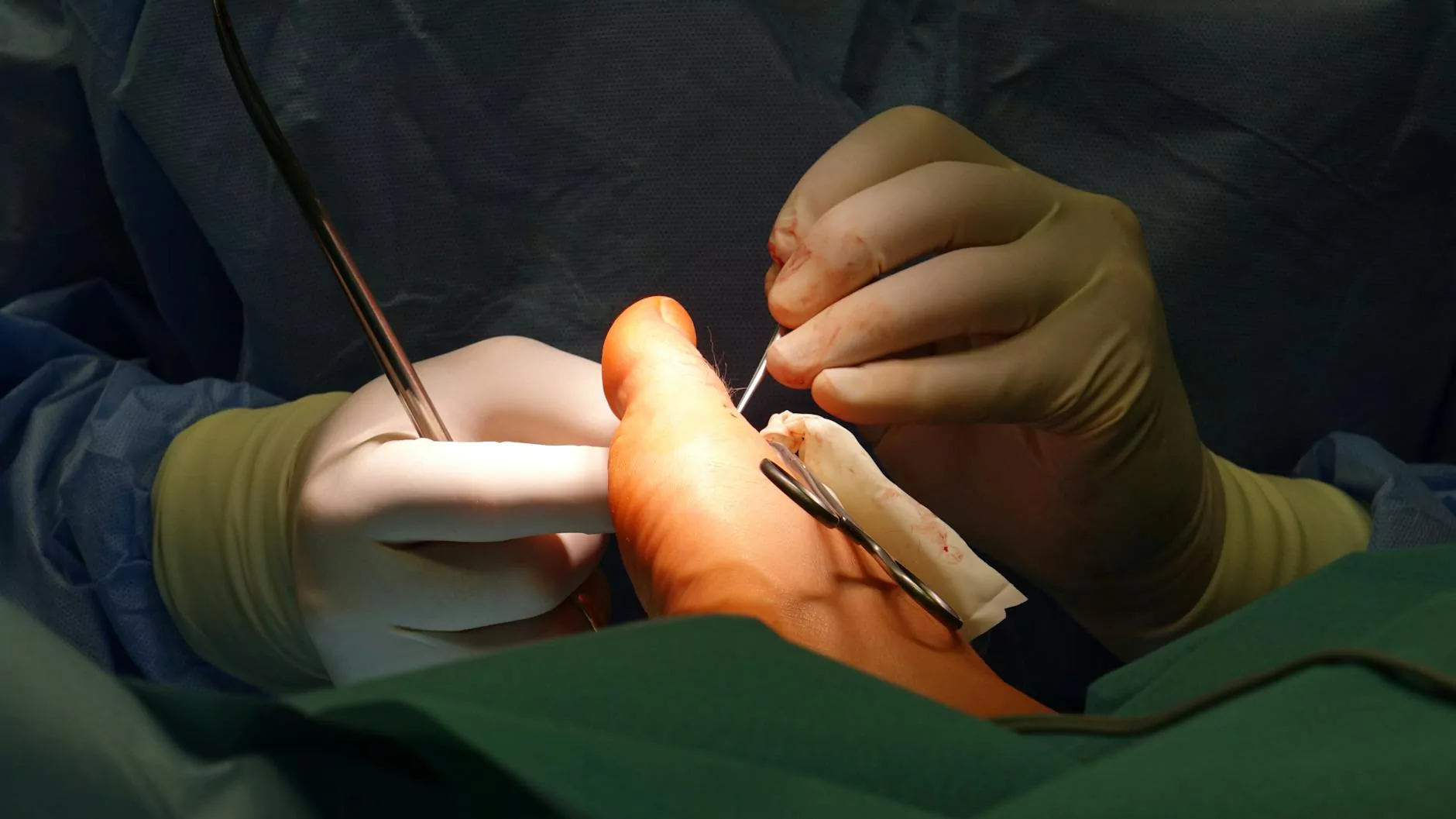
Undergoing a total hysterectomy is a significant medical decision, often undertaken to treat various gynecological conditions such as fibroids, endometriosis, or cancer. While the procedure can dramatically improve quality of life, it is not devoid of risks. Understanding the total hysterectomy risks allows patients to make informed choices and collaborate effectively with qualified healthcare providers, such as those at drseckin.com.
What is a Total Hysterectomy?
A total hysterectomy involves the surgical removal of the entire uterus, including the cervix. Sometimes, associated procedures may involve removing the fallopian tubes and ovaries (bilateral oophorectomy) depending on the underlying condition and patient health profile. The main goal of this surgery is to eliminate or manage diseases affecting the reproductive organs.
Understanding the Importance of Evaluating "Total Hysterectomy Risks"
Before opting for a total hysterectomy, patients must carefully weigh the potential benefits against possible risks. This comprehensive guide aims to shed light on all aspects related to total hysterectomy risks, including short-term surgical risks, long-term health implications, and how to minimize adverse outcomes through preoperative planning and postoperative care.
Common Total Hysterectomy Risks: An in-depth Look
The procedure, though generally safe when performed by experienced surgeons, carries certain risks akin to any major surgery. These can be classified as immediate, short-term, and long-term complications.
Immediate Surgical Risks
- Bleeding (Hemorrhage): Excessive blood loss during or immediately after surgery.
- Infection: Postoperative infections at incision sites or internally.
- Anesthesia Reactions: Allergic or adverse reactions to anesthesia administered during surgery.
- Damage to Adjacent Organs: Risk of injury to bladder, ureters, intestines, or blood vessels.
Short-Term Risks
- Seroma or Hematoma Formation: Accumulation of fluid or blood at the surgical site.
- Deep Vein Thrombosis (DVT): Blood clots forming in the legs, which can travel to lungs causing pulmonary embolism.
- Adhesion Formation: Scar tissue developing inside the pelvis or abdominal cavity, potentially leading to chronic pain or bowel obstruction.
Long-Term Risks and Considerations
- Hormonal Changes: Especially if the ovaries are removed, leading to early menopause symptoms such as hot flashes, mood swings, and osteoporosis.
- Increased Risk of Cardiovascular Disease: Due to hormonal shifts, notably estrogen decline after ovarian removal.
- Psychological Impact: Feelings of loss, changes in sexual function, and emotional responses.
- Potential for Pelvic Floor Dysfunction: Including urinary incontinence or prolapse).
- Ovarian Remnant Syndrome: If part of the ovary remains, it can develop cysts or lead to recurrent symptoms.
Specific Risks Associated with Ovarian Removal During Total Hysterectomy
Often, a total hysterectomy involves removing the ovaries, which can lead to immediate and long-term risks beyond the surgery itself, including complications linked to sudden hormonal changes.
Ovarian Removal and Menopause
Removal of ovaries induces surgical menopause, with symptoms similar to natural menopause but occurring abruptly. Such symptoms include hot flashes, night sweats, vaginal dryness, and increased risk of osteoporosis and cardiovascular disease.
Factors Influencing Total Hysterectomy Risks
While the procedure has inherent risks, various factors can influence the likelihood and severity of complications:
- Patient’s Age: Older patients tend to have higher complication rates.
- Underlying Health Conditions: Diabetes, obesity, or cardiovascular diseases increase surgical risks.
- Surgeon’s Experience and Facility Quality: Experienced surgeons and accredited facilities tend to have better outcomes.
- Type of Surgical Approach: Abdominal, vaginal, or laparoscopic methods pose different risk profiles.
- Extent of Surgery: Additional procedures like oophorectomy or lymph node dissection increase complexity and risk.
How to Minimize Total Hysterectomy Risks and Ensure Optimal Outcomes
While risks exist, many can be effectively minimized through careful preoperative planning and postoperative management. Here are essential steps:
Thorough Preoperative Evaluation
Includes comprehensive medical assessment, imaging, and discussion of risks and benefits with your healthcare provider.
Choosing a Skilled Surgeon
Opt for experienced Obstetricians & Gynecologists with specialization in minimally invasive techniques when possible.
Advances in Surgical Techniques
Techniques such as laparoscopic or robotic-assisted surgeries tend to reduce risks like bleeding, infection, and recovery time.
Postoperative Care and Monitoring
Follow your doctor’s instructions meticulously, watch for signs of infection or complications, and attend follow-up appointments.
Long-Term Lifestyle and Health Management After Total Hysterectomy
Adaptations in lifestyle, hormone replacement therapies, and regular health screenings are vital for maintaining health after the procedure.
Hormone Replacement Therapy (HRT)
Can alleviate menopausal symptoms caused by ovarian removal and reduce long-term risks such as osteoporosis.
Maintaining Healthy Lifestyle
- Balanced diet rich in calcium and vitamin D
- Regular weight-bearing exercise
- Avoidance of smoking and excessive alcohol consumption
- Routine screenings for cardiovascular health and bone density
Conclusion: Making an Informed Decision About Total Hysterectomy Risks
Understanding the total hysterectomy risks is crucial for women facing this procedure. While potential complications exist, advances in surgical techniques, experienced healthcare providers, and comprehensive pre- and post-operative care significantly reduce these risks. Collaborate with qualified clinicians at institutions like drseckin.com to explore safe, effective treatment options tailored to your health needs.
Always consult with a licensed healthcare professional to fully understand your specific risk profile and the best approach for your individual circumstances. Your health and well-being should always be the guiding priority in any surgical decision.